
Everthing To Know About Helicobacter Pylori
Helicobacter Pylori- meaning symptoms, diagnosis and treatment
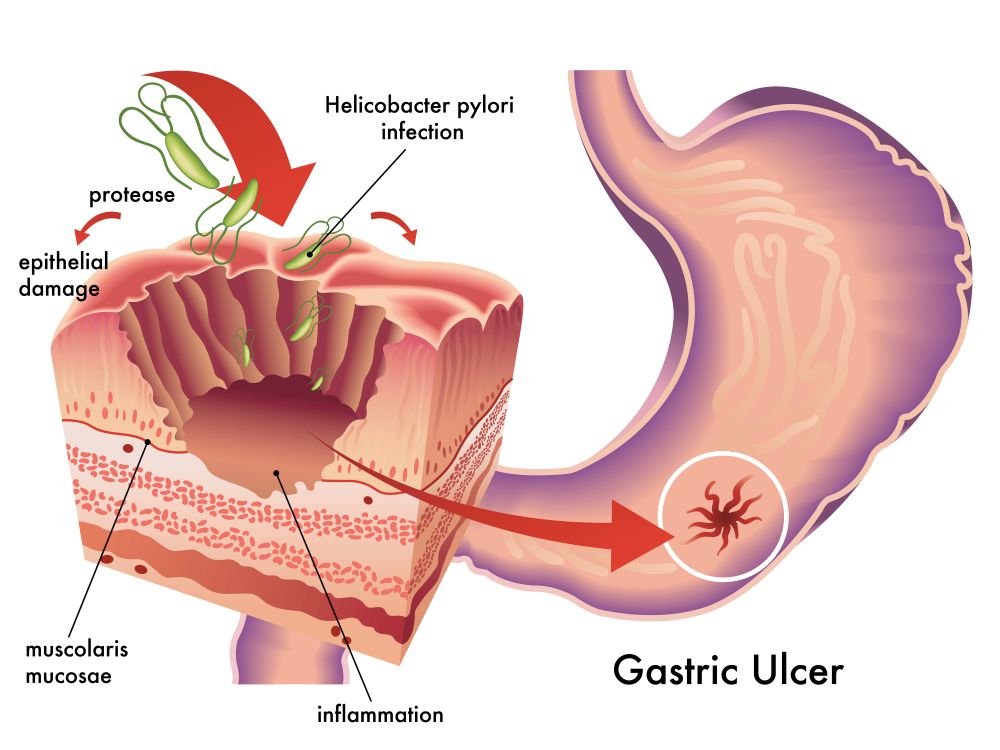
H. pylori (Helicobacter pylori) is a common stomach bacteria that damages the stomach lining, often causing gastritis or peptic ulcers (sores), though many people have no symptoms; symptoms, when present, include upper belly pain, bloating, nausea, and burping; it spreads via close contact (saliva, vomit, stool) and contaminated food/water. The treatment involces a combination of antibiotics and acid-reducing drugs (PPIs) to heal the stomach and prevent complications like stomach cancer.
Meaning
Helicobacter pylori is a spiral-shaped bacterium that colonizes the stomach and upper small intestine. It weakens the protective mucus layer, exposing the stomach lining to acid, which causes inflammation (gastritis) or ulcers.
Symptoms
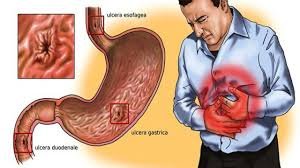
Many people are asymptomatic, but symptoms can include: Dull pain or burning in the upper abdomen (worse on an empty stomach). Bloating, excessive burping, and nausea. Loss of appetite, vomiting, or feeling full quickly. In severe cases: dark or bloody stools, vomiting blood (coffee-ground appearance).
Complications of H. pylori infection
If you have an H. pylori infection, you have an increased risk of stomach cancer later in life. If you have a strong biological family history of stomach cancer and other cancer risk factors, your healthcare provider may recommend being tested for H. pylori antibodies. They may suggest this even if you don’t have symptoms of a stomach ulcer.
In addition to screening and treatment, your provider may suggest some lifestyle changes. This may mean including more fruits, vegetables and fiber in what you eat. Regular checkups with your provider and following their recommendations can reduce your cancer risk.
How doctors diagnose H. pylori infection
If your healthcare provider suspects H. pylori bacteria may be causing a stomach ulcer, they may order one or more of the following H. pylori tests:

- Breath Test: This test measures the amount of carbon dioxide in your breath after you drink a special solution containing urea. H. pylori bacteria break down urea into carbon. Excess carbon dioxide in your breath is a sign of H. pylori infection.
- Blood Test: A blood test is one of the most common tests healthcare providers use to monitor your overall health or help diagnose medical conditions. You may have a blood test as part of a routine physical examination or because you have certain symptoms.
- Stool (poop) test: A stool test is a diagnostic tool that healthcare providers use to find out why you’re having stomach issues. This test can detect bacteria, viruses and other germs in your poop that can make you sick. Healthcare providers use stool tests to help diagnose gastrointestinal diseases and colon cancer.
- Upper Endoscopy: An upper endoscopy is the most accurate test for H. pylori. But unlike the others, it’s a bit more invasive. Your provider uses a thin tube with a camera to look inside your body and take small tissue samples (biopsies) to test in a lab.
Causes & Transmission Transmission
Person-to-person via saliva, vomit, or stool; contaminated food or water; close contact. H. pylori are found in saliva, poop and plaque on teeth. Infection can spread by transferring the bacteria from the hands of those who haven’t thoroughly washed them after pooping. Risk factors for H. pylori infection Crowded living conditions and areas with poor sanitation are major risk factors for H. pylori infection, especially in developing countries. While contaminated food and water can be a cause, person-to-person transmission is likely more common.
Function and Role in Helicobacter Pylori Treatment
- Reduce Stomach Acid: PPIs work by blocking an enzyme in the stomach lining called the proton pump, which is responsible for the final step of gastric acid production. This significantly reduces the amount of acid in the stomach.
- Enhance Antibiotic Efficacy: H. pylori bacteria thrive in a less acidic (more neutral) environment. By raising the stomach pH level, PPIs create an environment where the bacteria are in their replicative phase, making them more susceptible to the actions of the accompanying antibiotics.
- Promote Healing: The reduction in stomach acid helps to heal the stomach lining and ulcers (both gastric and duodenal) caused by the infection and helps prevent further damage.
Treatment Combination Therapy
Usually involves 2+ antibiotics (e.g., amoxicillin, clarithromycin) to kill the bacteria. Acid Reducers: Proton Pump Inhibitors (PPIs) like omeprazole to reduce stomach acid and help the lining heal. Stomach Protectors: Medications like bismuth subsalicylate may also be used. Importance: Completing the full course is crucial to prevent antibiotic resistance and ensure the infection is cured.
Credit: Clevelandclinics


My daughter has been suffering with gastrointestinal issues for a couple years now. She did have a scope put down her throat with a camera, but he did not take samples just told her her stomach lining was inflamed. I think the word was she doesn’t poop like she should? Her stomach is hard and bloated , belches,constantly doesn’t matter what she eats.